Our services
Chimney Cleaning & Sweeping in Sacramento, CA
Chimney cleaning removes the creosote, soot and blockages that build up inside a flue and turn a fireplace into a fire risk. Creosote is a tar-like residue left by burning wood, and it is highly flammable. Air Flow Solutions CA has certified chimney sweeps serving Greater Sacramento — most cleanings take 1–3 hours.
How do I know if my chimney needs cleaning?
The usual warning signs are visible from inside the house, before anyone goes on the roof:
- Smoke pushes back into the room instead of drawing up the flue
- A strong, sharp odour from the fireplace, especially on warm days
- Black, flaky or shiny tar-like buildup on the inside of the flue
- The fire is hard to start or will not stay lit
- Soot falling into the firebox, or debris in the damper
- It has been more than a year, or a full burning season, since the last sweep
What is creosote and why does it matter?
Creosote is the residue that condenses on flue walls when wood smoke cools. It starts as a light soot, then hardens into a flaky layer, and eventually into a glazed tar coating. Every stage is flammable, and the glazed stage burns hot enough to crack a flue liner.
A chimney fire does not always announce itself. Many are brief and go unnoticed, leaving behind cracks that let heat and gases into the surrounding structure — which is exactly what makes the next fire dangerous.
How often should a chimney be swept?
NFPA 211, the national standard, calls for chimneys to be inspected at least once a year and cleaned as needed. In practice, an annual sweep before the burning season is the right cadence for anyone who uses their fireplace regularly.
If you burn softwood, burn frequently, or the fireplace sat unused for several seasons, have it checked before the first fire of the year rather than after.
Do gas fireplaces need to be cleaned?
They need less frequent sweeping than wood-burning fireplaces, but they still need annual inspection. Gas appliances produce far less creosote, but flues still collect debris, and blockages from nests or deteriorating liner material are just as dangerous — arguably more so, because a blocked gas flue can vent carbon monoxide back into the house.
Is a chimney sweep messy?
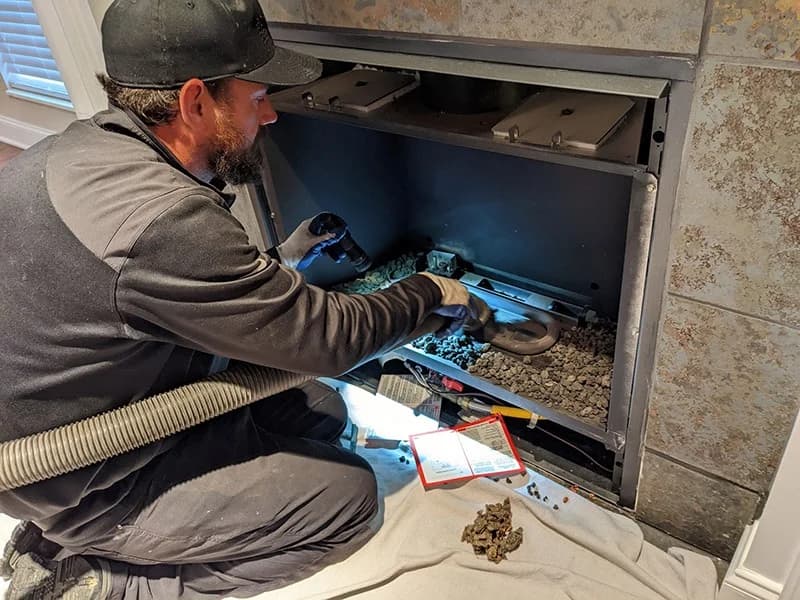
It should not be. We seal off the fireplace opening and run the vacuum during sweeping so soot goes into the equipment, not onto your floor. Drop cloths go down before anything else happens.
If a technician leaves soot across your hearth, that is a workmanship problem, not an inevitable part of the job.
How the service works
01
Inspect the flue and firebox
We examine the flue, damper, firebox and cap, and tell you the creosote stage and whether there is any structural damage.
02
Seal and protect
The fireplace opening is sealed and the surrounding area covered before any brushing starts.
03
Sweep the flue
Rotary and rod brushes sized to your flue remove creosote and soot along the full length, with continuous vacuum extraction.
04
Clear the firebox and report
The firebox, smoke shelf and damper are cleaned out, and you get a plain-language summary of the chimney's condition.
Real results from this service
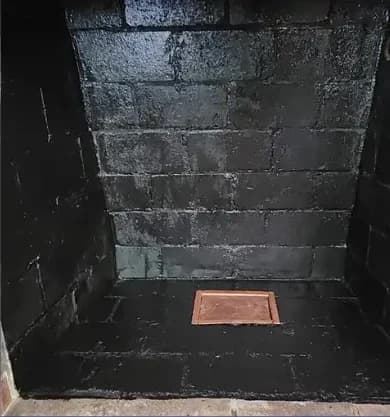
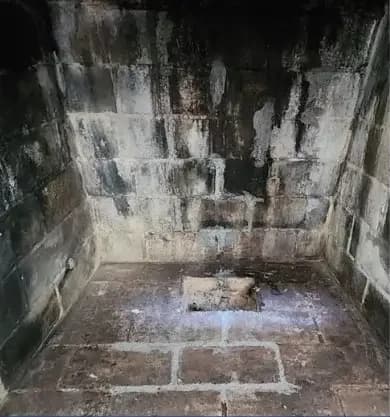
Drag the handle to compare. More examples in the before and after gallery.
Fireplace
Firebox deep-cleaned and resealed after heavy creosote buildup.
Common questions
At least once a year if you use your fireplace. NFPA 211 calls for annual inspection and cleaning as needed.
Ready when you are.
Free quote, no obligation — usually a call back within the hour.